
Why Southeast Asia Beauty Brands Need a Custom Feminine Care Formula
Shelf after shelf of feminine washes, intimate gels and tightening pellets in Malaysia, Indonesia, Vietnam, Thailand and the Philippines look identical. Same pink bottles, same generic claims, same low-margin price war. For a new or growing Southeast Asia beauty brand, the fastest way out of that race is a custom feminine care formula OEM Southeast Asia partnership — one that turns your brand idea into a product no competitor can copy overnight.
A custom formula is not a luxury. In this region it is quickly becoming a market-entry requirement. Local regulators now ask for documented ingredient and production compliance, Muslim consumers increasingly expect Halal-certified daily care, and everyday commuting and long indoor-outdoor temperature swings create needs that generic imported formulas simply do not answer. At the same time, small-batch private label brands want the same professional R&D that big factories keep for themselves — at a flexible minimum order quantity.
This guide walks through the four steps of developing a custom feminine care formula with an OEM factory: market positioning, formula design and R&D, compliance and safety verification, then sampling and mass production. It is written specifically for beauty founders targeting Malaysia, Indonesia, Vietnam, Thailand and the Philippines, and it stays practical — no generic filler, only what actually matters for a Southeast Asia launch.
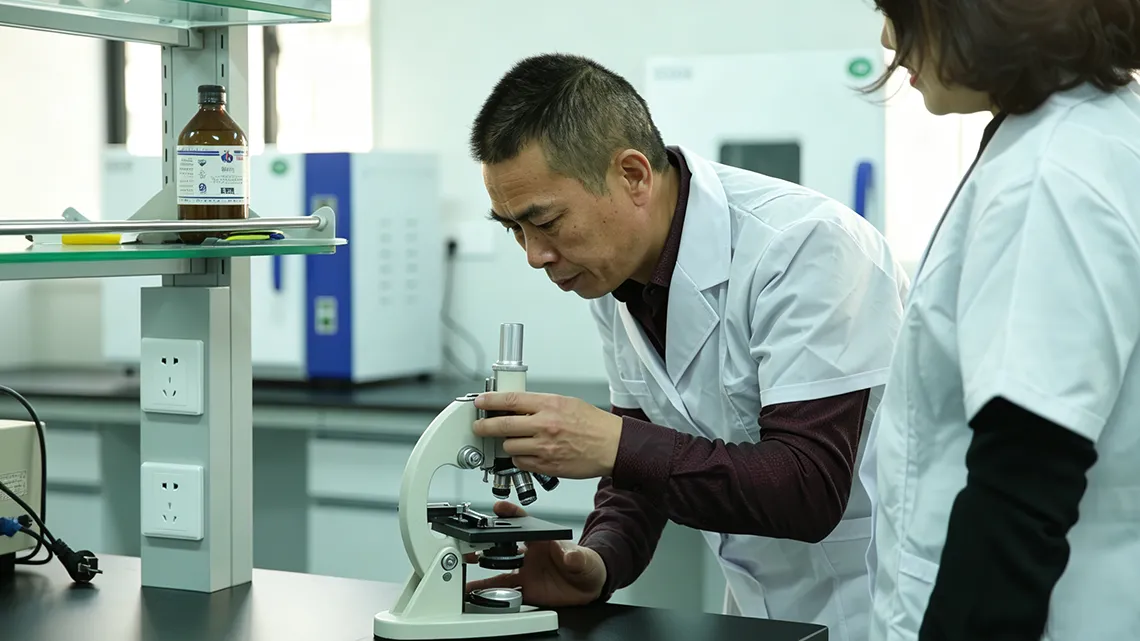
Step 1: Brand Positioning & Target Market Confirmation
Before a single ingredient is weighed, your OEM partner needs to know exactly who you sell to and where. A product can move from an air-conditioned office to a hot commute and then sit in a warehouse for months. That daily pattern changes how a feminine care product must feel and perform. Formulas that work in temperate regions often turn greasy, unstable or uncomfortable within months of use in Kuala Lumpur, Jakarta or Bangkok.
Ask yourself these positioning questions before contacting any factory:
- Which country first? Indonesia and Malaysia lead on Halal demand; Vietnam and Thailand are fast-growing e-commerce markets; the Philippines rewards affordable, clearly explained claims. Your first market decides your compliance path — BPJPH/BPOM, JAKIM, TFDA or the local FDA.
- Which consumer segment? Young urban professionals, postpartum mothers, sensitive-skin users and Halal-first Muslim consumers each need a different formula tone, fragrance and claim structure.
- Which pain point? Odor control, pH balance, moisturizing comfort, tightening effect or gentle daily cleansing — pick one hero benefit before adding supporting ones.
- What price tier? Positioning decides whether you use premium plant actives such as aloe, centella or pearl protein, or cost-efficient safe staples for a mass-market launch.
Each Southeast Asia market has its own nuance. In Malaysia, a JAKIM-recognized Halal claim is a competitive advantage in pharmacy and modern-trade channels. In Indonesia, the mandatory Halal certification and BPOM notification are non-negotiable for cosmetic and feminine hygiene products after the 2026 enforcement date. Vietnam and Thailand reward texture and scent innovation through live selling, marketplace reviews and fast product iteration. The Philippines is a volume market where a clear, single-benefit story converts fastest.
Once your positioning is clear, the factory can recommend a starting formula family — for example a gentle daily feminine liquid wash, a deep-conditioning intimate care gel, or a modern feminine foam wash format that feels premium on mobile-first social channels. Confirm the target country with your OEM early; it drives preservatives, fragrance limits and labelling from day one.
Step 2: Custom Formula Design & Initial R&D Process
Custom formula development follows a clear sequence inside a professional feminine care OEM laboratory. Understanding each stage helps you brief your partner precisely and review their work with confidence.
The typical R&D workflow looks like this:
- Concept brief. You share the target segment, texture preference (wash, gel, foam, pellet), scent direction, claim set and target country.
- Ingredient sourcing. The R&D team selects plant-based, skin-friendly and Halal-compliant raw materials with full traceability documents — certificates for every batch.
- Formula drafting. Chemists build a base formula, then adjust active levels, pH and rheology specifically for tropical use.
- Trial & adjustment. Multiple small batches are tested for stability, foam quality, absorption, sensory feel and microbial safety.
- pH & fragrance adaptation. Southeast Asia skin and climate need gentle pH (typically 3.8–5.5 for intimate care), fast-absorbing textures and light fragrances that stay stable through warehouse and transit conditions.
- Pilot batch. A production-scale trial confirms the formula can be made consistently on real filling lines before you approve mass production.
Expect two to three revision rounds before a formula is frozen. A professional factory shares lab notes, ingredient certificates and stability data during this phase — if a partner cannot show you these documents, treat it as a red flag. For brands that already know they need a modern foam texture, our feminine foam wash development line is a common starting point; for a single-dose applicator format, the intimate care gel route works well, and for a cleansing hero product most brands begin with the feminine liquid wash.
One point that separates serious factories from trading companies is documentation. From the first trial, ask for INCI ingredient lists, MSDS/safety data sheets, microbiological test results and stability study summaries. In Southeast Asia, distributors and pharmacy chains frequently request these documents before they agree to stock a new brand, so building the file early saves you weeks at the negotiation stage.
Stability testing deserves special attention in tropical markets. Standard protocols test at 40°C and 75% relative humidity for three months — conditions that are common in Southeast Asia warehouses. Make sure your formula, fragrance and packaging are validated for this environment before you commit to a large production run.
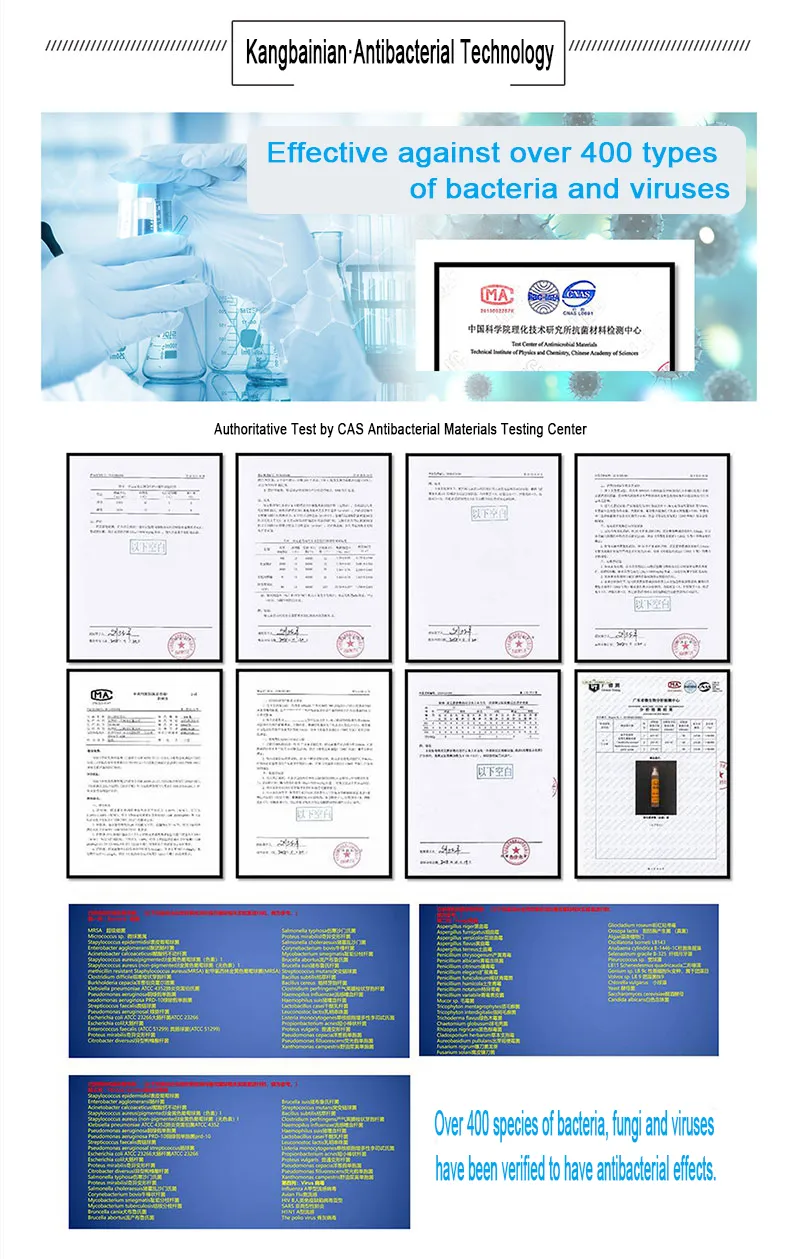
Step 3: Safety Test, Halal & Local Compliance Verification
This is where Southeast Asia launches live or die. A beautiful formula with no regulatory file will not clear customs or pharmacy notification. In this region, compliance is a product feature, not paperwork — it is what lets your stock actually reach shelves.
ISO 22716 & GMP production baseline
Every custom feminine care formula OEM should manufacture in an ISO 22716-certified (cosmetic GMP) facility, ideally inside a Class 100,000 purification workshop. This baseline guarantees clean-room filling, batch traceability and reproducible quality — the foundation both local regulators and serious distributors check first. Ask for the certificate number and, if possible, a factory audit before committing.
Halal certification for Muslim-majority markets
Indonesia’s mandatory Halal certification and Malaysia’s JAKIM recognition make Halal readiness essential for most Southeast Asia brands. A Halal-compliant formula excludes animal-derived and non-Halal sources, keeps dedicated production lines, and carries audited raw-material traceability. Our full Halal certification guide explains the country-by-country rules, deadlines and documentation you will need, including the October 2026 Indonesia enforcement timeline.
Local product notification
Your factory partner should guide you through registration for your target market — BPOM notification in Indonesia, NPRA/QUEST filing in Malaysia, TFDA notification in Thailand, and the respective cosmetics notification in Vietnam and the Philippines. Preparation can take three to four months, so start compliance work while sampling, not after. A one-stop OEM partner that handles formula and filing documentation together can save your team months of back-and-forth.
Step 4: Sample Confirmation & Mass Production Launch
Once the formula passes safety and stability review, the factory produces functional samples for your team to test. A reliable Southeast Asia OEM prepares samples in roughly 7 to 15 working days and supports two to three refinement rounds before you freeze the formula. Use this window to check texture, scent, pH and how the product performs in real tropical conditions — leave samples in a warm cabinet for a week to simulate worst-case storage.
Key numbers to lock before launch:
- MOQ. Custom formulas usually carry higher minimums than stock formulas. Read our MOQ for private label feminine care to understand standard ranges, exclusive-formula minimums and packaging MOQs before you commit to a quantity.
- Lead time. Standard formula OEM typically runs 30–45 working days; exclusive custom formulas run 45–60 working days after sample approval.
- QC & batch records. Insist on COA (certificate of analysis), stability reports and retained samples for every production batch.
- Scale & packaging. Confirm filling options (bottle, sachet, blister), labels and cartons in the same production schedule to avoid double handling and extra freight.
After mass production starts, a strong partner keeps batch traceability, supports reorders, and helps you scale from a first run to full regional distribution without changing the formula quality your first customers trusted. For a tightening or firming positioning, our vaginal tightening pellets line is a proven single-dose format; for a daily-care hero, the feminine foam wash and feminine liquid wash formats cover most feminine care portfolios.
Conclusion: Why Partner with Kangbai Nian for Custom Feminine Care Formulas
A custom feminine care formula OEM Southeast Asia partnership is the most direct route from idea to a differentiated, compliant, sellable product. With 21 years of feminine care and cosmetic OEM/ODM experience, ISO 22716-certified Class 100,000 workshops, Halal-friendly production, and flexible MOQs for startups, Kangbai Nian covers the full journey — ingredient traceability, formula R&D, regulatory support, sampling and mass production — so your brand can enter Malaysia, Indonesia, Vietnam, Thailand and the Philippines with confidence.
Custom formulas also build long-term value. Stock products can be copied by any competitor; a formula developed for your positioning, your market and your customers is yours. Every reorder deepens your brand’s moat, improves your margin story and gives your distributors a reason to stay loyal.
Get Your Custom Formula Quote
Ready to develop your custom feminine care formula for Southeast Asia? Contact Kangbai Nian today for a a free formula consultation, paid sample service and a tailored MOQ plan for your brand.
Related resources: Halal OEM Service · OEM FAQ
Related next steps: Review private label feminine care manufacturing, OEM/ODM services.
Related guides: For a faster route using our existing formula library, see Custom Formulation Intimate Care OEM: Launch Faster. To choose the product format first, see Feminine Care Product Formats.