
Choosing between feminine care product formats is the first real decision in a private label launch — and the most expensive mistake is not a bad formula. It is choosing the wrong format and only discovering it after the packaging is printed, the registration is filed, and your first batch sits in a warehouse.
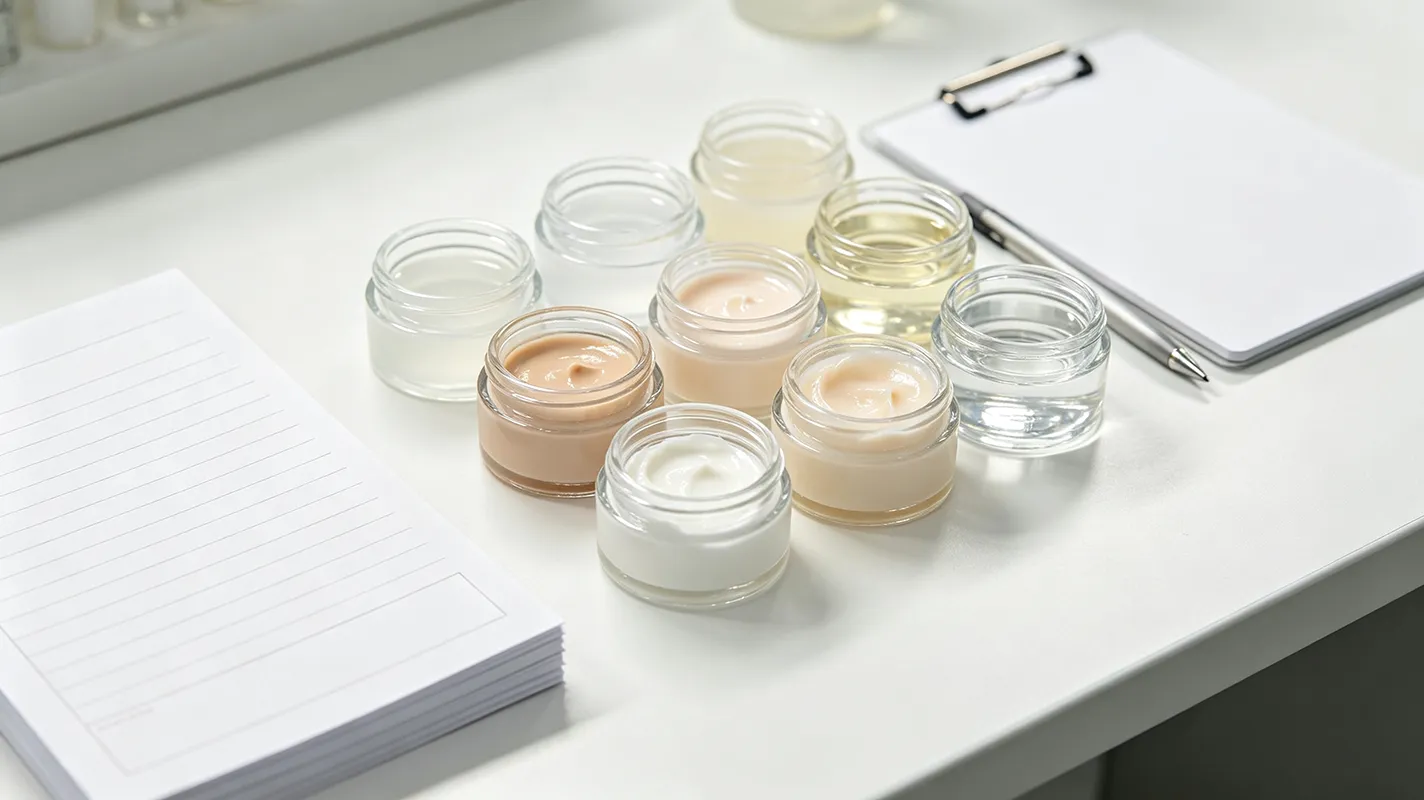
Because feminine care product formats behave so differently in production, brand owners usually arrive with a product in mind — a wash, a gel, a spray — because that is what they saw in a store. That starting point is useful, but it is not a decision. The format you pick determines your packaging cost, your MOQ, your claim boundaries, and how easily a distributor can explain the product to a buyer.
This guide breaks down 6 core feminine care formats we produce at Kangbai Nian — a 21+ years intimate care OEM manufacturer serving Southeast Asia — what each one excels at, how they match sales channels, common pitfalls to avoid, and real cost and lead time benchmarks. By the end, you’ll know which format fits your first order, and which to save for later.
Why Your Format Decision Comes Before The Formula
Brand owners often want to start with the formula. In practice the format constrains the formula, not the other way round.
A foam needs a surfactant system that dispenses cleanly through a pump. A gel needs a viscosity that holds its shape in a single-dose applicator. An oil has no water phase, so preservation and pH discussion changes completely. A mist needs a liquid thin enough to atomise without dripping.
Change the format after the sample is approved and you are not adjusting a detail. You are restarting part of the development. That is why we ask for the format first and the fragrance direction second.
Real-world case from our 2025 project log A startup brand from Malaysia initially launched with tightening pellets as their first SKU, drawn to the differentiation angle. They ordered 50,000 units with custom packaging, only to find channel uptake was slow and consumer education costs far exceeded their budget. Six months in, less than 20% of stock had sold through, tying up nearly RM 80,000 in inventory and registration budget.
We later helped them pivot to a standard-formula liquid wash (500 kg MOQ) with matched brand visuals. It turned profitable within 3 months, and they added gel and pellets as complementary SKUs only once demand was proven.
Below is a practical comparison of the feminine care product formats we manufacture most often for Southeast Asian brands.
6 Private Label Feminine Care Product Formats At A Glance
Think of this as a cost ladder as much as a product list — the spread between feminine care product formats is wider than most brands expect. The further down you go, the more tooling, filling complexity and unit cost you take on. For first-time launches, we almost always recommend starting on the left half.
| Format | What it is | Typical starting MOQ | Typical first use | Suitable brand stage |
|---|---|---|---|---|
| Feminine liquid wash | A pump or flip-top liquid for daily external cleansing | 500 kg | The entry SKU in most ranges | First launch / testing market |
| Feminine foam wash | A pump-dispensed foam, lighter than liquid | 5,000 units | Differentiation on shelf | Growing brand / mid-price positioning |
| Intimate care gel | A water-based gel, often single-dose | 500 kg | A targeted care product inside an existing range | Growing brand / add-on SKU |
| Feminine care oil | A lightweight oil in small packs | 500 kg | A higher-value niche SKU | Premium positioning / established range |
| Intimate care mist | A fine external spray for on-the-go use | 500 kg | Everyday refresh and add-on purchase | Add-on to existing wash lines |
| Intimate care pellets | A single-dose solid format | 50,000 units | Convenience-led specialist positioning | Established brands / niche channels |
How To Pick A Format By Your Sales Channel
Pharmacy & Health Retail
Liquid wash and single-dose gel work well here. Buyers in this channel ask for documentation and batch records before they ask about fragrance. Both formats are easy to explain at shelf level and straightforward to register.
Maternity & Baby Retail
Shoppers here are often first-time buyers in the category. A gentle liquid wash in a familiar bottle shape, paired with a clear usage leaflet, almost always outperforms clinical-looking formats.
Beauty Retail & Pharmacy Chains
Shelf presence drives this channel. Foam wash and mist photograph well, and give retailers a visually differentiated SKU to place next to standard liquid washes.
E-commerce & Social Commerce
Weight, breakage rate and return rate decide this. Mist and small-format oil ship easily and have low breakage risk. Pellets require very clear usage instructions or return rates climb quickly.
Distributor & Private Label
Distributors rarely want a single SKU. They want a small range covering different price points. A wash + gel + one higher-value item is the combination we see requested most often.
Real case: Indonesian beauty channel launch An Indonesian beauty channel client came to us in 2024 to build their first intimate care line. Based on their mix of marketplace e-commerce and offline pharmacy channels, we recommended a starting pair: 500 kg standard liquid wash (entry price point) + 5,000 units foam wash (mid-tier differentiation).
Four months after launch, their intimate care category ranked top 3 in their store, with a repeat purchase rate over 35%. They added care oil and mist as their second wave of SKUs in the following quarter.
4 Common Format Mistakes That Waste Your Launch Budget
These are the mistakes we see new brands make most often — and the real cost of each one, based on 21+ years of production experience.
1. Choosing pellets or oil as your first SKU
These are the two formats most often picked for differentiation, and both carry the highest tooling, filling and unit-cost barriers.
Field review We’ve seen at least 8 new brands make this mistake. Their first-order inventory turnover cycle is 3x longer than liquid wash formats, and most don’t survive long enough to reach a reorder.
They work perfectly as a second or third SKU. As a launch product, they put unnecessary pressure on cash flow.
2. Treating foam as a simple cosmetic upgrade to liquid
Foam costs more per unit because of the pump and specialized surfactant system. If your retail price can’t support a higher unit cost, the foam will compress your margin instead of differentiating you.
Field review One client built a foam wash only to discover pump costs made up 25% of unit cost. They couldn’t raise their retail price enough to compensate, and ended up switching back to a flip-top liquid format to recover margin.
3. Assuming every format can match your target MOQ
MOQ is set by the filling line and packaging components, not your ambition. The honest conversation is about which format lets you start smallest — not about forcing every format to hit that number.
Field review A client once ordered custom packaging for pellets before confirming MOQ, only to find the packaging supplier’s minimum run was 50,000 units. They were locked in, and paid nearly $2,000 in packaging scrap costs to downsize to a smaller run.
4. Forgetting that claims follow the format
A spray marketed for everyday refresh sits in a very different claim space than a product positioned around intimate comfort. Decide your format and your core claim together, before formulation starts.
Field review One client finalised a mist formula and packaging, then decided they wanted to add “itching relief” claims. The formula and format didn’t support the claim, so all label artwork had to be reprinted, delaying launch by 22 days.
Cost & Lead Time Comparison Across Formats
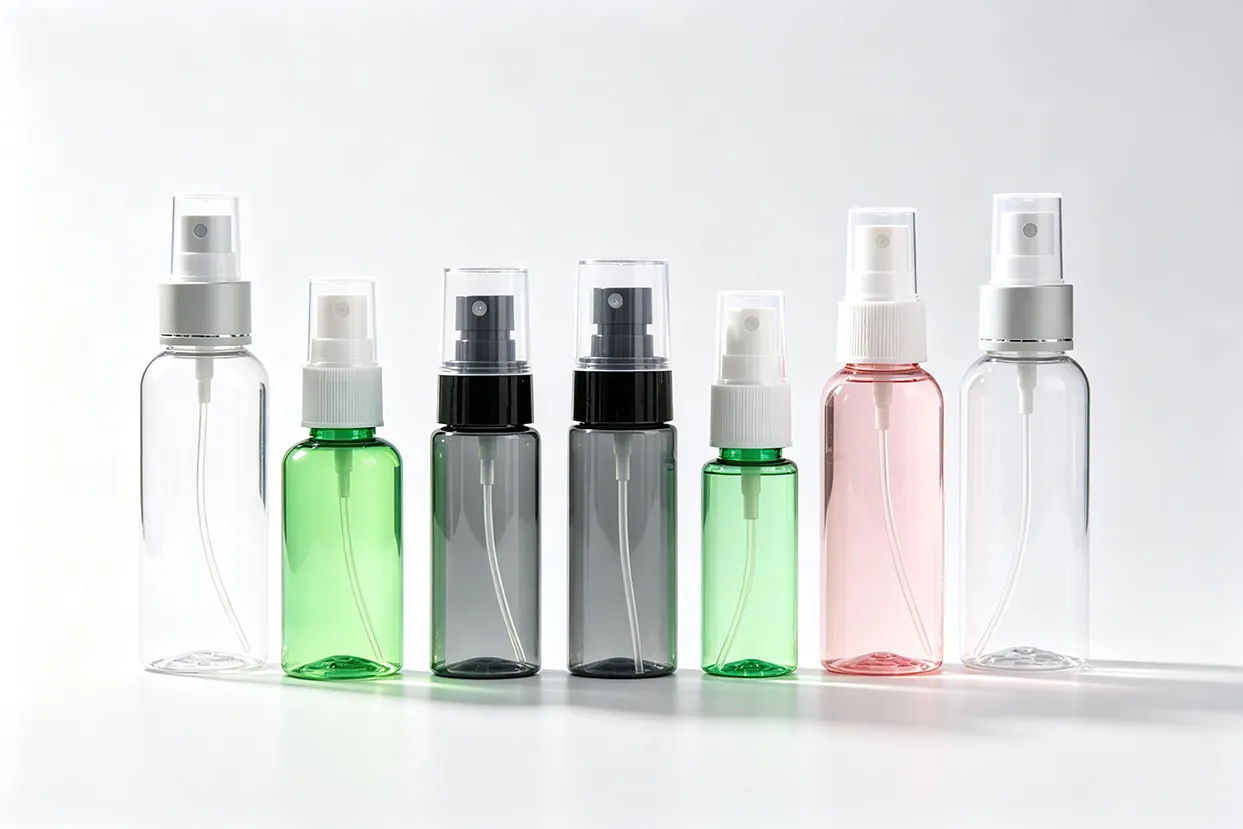
Cost and lead time vary across feminine care product formats. Figures below are based on 21+ years of Kangbai Nian production data for Southeast Asian private label projects. Standard formula liquid wash is used as the 1x baseline.
| Decision area | Liquid Wash | Foam Wash | Gel | Care Oil | Mist | Pellets |
|---|---|---|---|---|---|---|
| Packaging complexity | Low | Medium | Medium | Low | Medium | High |
| Tooling requirement | Low | Low | Medium | Low | Low | High |
| Unit cost pressure | Low | Medium | Medium | Medium | Medium | High |
| Development time | Short | Short | Medium | Medium | Short | Long |
| Packaging cost share | ~15–20% | ~25–30% | ~20–25% | ~18–22% | ~22–28% | ~35–40% |
| Relative launch cost | 1x | 1.4x | 1.3x | 1.2x | 1.2x | 2.5x |
| Average inventory turnover | 2–3 months | 3–4 months | 3–5 months | 4–6 months | 2–3 months | 6–9 months |
If your priority is speed to first shipment, start on the left half of the table. If your priority is standing out in a crowded category and you have the budget to support it, the right half is where differentiation usually lives.
Format Recommendations By Brand Stage
First launch / market testing
Recommended: Feminine liquid wash (500 kg standard formula)
Lowest entry cost, fastest time to market, lowest inventory risk. Proven to work across all major channels in Southeast Asia. Add mist or gel once you have confirmed sales velocity.
Growing brand / category expansion
Recommended: Liquid wash + gel / foam wash
Covers daily cleansing + targeted care, lifts average order value, and gives you two price points. Ideal for brands moving into a second channel.
Established brand / differentiation play
Recommended: Foam wash + care oil + pellets
Full price tier layout, builds a barrier against competitors. Only recommended once you have existing channel traction and proven customer demand.
What To Prepare Before You Request A Quote
To get an accurate, actionable quote on the first reply, prepare these five things:
-
Your target market and the primary sales channel
-
The format you are considering, plus one backup alternative
-
Packaging direction — bottle, pump, sachet, tube or jar — and whether it is stock or custom
-
Expected first-order volume, even if it is only a range
-
Whether the product will be sold under your own brand or a distributor’s brand
With these five answers, most projects can move straight to a sampling plan instead of a string of clarifying emails. For a full breakdown of the briefing process, see our step-by-step OEM sampling guide.
What Happens After You Pick Your Format
Once you send over your brief, here is how the process moves at Kangbai Nian:
-
Format review & recommendation (2 working days) We confirm which format fits your budget and channel, and share a recommended formula route, confirmed MOQ and ballpark pricing.
-
Sampling (7–15 working days for standard formulas) We produce working samples to your packaging direction, issued with a full specification sheet. Custom formulas take longer, based on development scope.
-
Sample approval & formula lock You test and approve the sample. We lock the specification and revision number so every batch matches the approved standard.
-
Bulk production & documentation (30–60 working days) Production runs against the locked spec, with full batch records and market compliance documents prepared for your importer (see FDA cosmetics guidance for reference).
Frequently Asked Questions
Q: Can I launch with two formats at the same time? A: Yes, and many brands do. The practical limit is packaging budget, not production. Two formats usually means two sets of packaging components and two separate MOQ commitments.
Q: Which feminine care format has the lowest MOQ? A: It depends on whether you measure by weight or units. Liquid wash, care oil and mist have the lowest MOQ by weight (starting at 500 kg). Foam wash has the lowest MOQ by unit count (starting at 5,000 units). For more detail, see our full MOQ guide for feminine care.
Q: Do I need a different formula for each format? A: Not always, but often. A formula that works as a liquid will not automatically work as a foam or a gel — each requires adjustments to the surfactant system, viscosity and preservative package to match the format.
Q: Can I change format after I approve samples? A: You can, but it is not recommended. Changing format means reworking core formulation elements and packaging, which adds cost and delays launch. It is almost always faster and cheaper to pick the right format first.
Q: Can I start with pellets if that is what my market wants? A: You can, but plan your cash flow first. Pellets carry the highest tooling and unit-cost barrier in the range. We usually recommend building up to pellets after 1–2 core SKUs are selling steadily.
Pick The Right Format, Then Build Your Range
Six feminine care product formats, one practical starting point. Pick the format that matches your channel and budget today, then expand the range once the first SKU is selling.
At Kangbai Nian, we would rather talk you out of an expensive first format than take an order you cannot repeat. Our 21+ years of intimate care OEM experience, ISO 22716 certified GMP workshops and 3,000+ proven formulas mean we can recommend the most practical starting point for your brand — not just the most expensive one.
Send us your target market, the format you are considering and your packaging direction. We will reply within 2 working days with a recommended format, confirmed MOQ and sampling timeline.
WhatsApp: +86 17268316866 Email: zkbn_oem@outlook.com
Ready to choose your first format?
Send us your target market, the format you are considering and your packaging direction — we will reply within 2 working days with a recommended format, confirmed MOQ and sampling timeline.
WhatsApp (fastest): +86 17268316866 | Inquiry form: Request a quote | Email: zkbn_oem@outlook.com
Related Reading
Related next steps: Review OEM/ODM services.