
It is two weeks before the launch date you promised your distributor. The formula is approved, the product photos are shot, the landing page is almost ready—and the bottles are still on a printing press in another province. Nothing went wrong with the product. The timetable was drawn as a straight line, while a launch actually runs on four tracks at once. That gap is what the real private label beauty brand launch timeline is about: what happens in what order, what can run in parallel, and where the weeks actually disappear.
Circle a launch date and work backwards—but do it with the four tracks below, not a straight line.
The Short Answer: Sixteen to Twenty-Four Weeks
For a standard formula with standard packaging, plan 16–20 weeks from approved brief to goods ready for shipping. If the formula is custom, packaging is custom, or you need registration in Indonesia or Malaysia, plan 20–28 weeks. Those numbers assume nothing goes wrong. The rest of this page explains what fills them—and where to add buffer honestly.
The Four Tracks of a Launch
A launch is not a queue. It is four tracks that must finish together:
Product Track
brief, formula, sample, approval.Packaging Track
artwork, printing, cartons, delivery to the factory.Compliance Track
testing, documents, registration, Halal where required.Production Track
scheduling, filling, QC, shipping.
Most delays happen when a brand runs these one after another instead of in parallel. The timeline below shows how they actually overlap.
Week-by-Week: What Happens, and What You Should Be Doing
The Critical Path Is Usually Packaging, Not the Formula
Ask an experienced brand owner what delayed their first launch and you will hear the same answer: the bottle. Custom printing has minimum runs and 4–8 week lead times; if artwork is approved late, the factory stands ready while the packaging is still on a press. Standard containers with printed labels cut this risk dramatically for a first order.Testing and Registration Are Quiet, Not SlowStability testing does not need your attention—it needs calendar time. Registration is similar: BPOM notification in Indonesia and Halal certification through BPJPH add weeks that cannot be compressed by pushing your factory harder. For Indonesia, plan BPJPH alongside BPOM; for Malaysia, NPRA and Halal. Our guide to BPOM and ASEAN cosmetic registration explains what your factory must provide for those files.Sample Rounds Are Where Optimism LivesThe sample stage looks fast—until you change the fragrance in round three. Every change after formula approval can restart part of the testing, so treat sample approval as a real decision, not a step in a chat. The mechanics are covered in our sampling process guide.
Where Launches Actually Lose Weeks
- Claims reworded after testing. If the label says something the data cannot support, both the claim and the timeline change. Decide claims before testing starts.
- Packaging artwork approved late. Every week of delay here moves the production slot, because the factory cannot fill bottles that have not arrived.
- MOQ and payment timing. Production slots are booked against confirmed orders; late deposit or late packaging confirmation pushes you behind other brands.
- Halal and registration added last. These are parallel workstreams, not afterthoughts. They need documents from the same batch—starting them late is the most expensive way to save time.
- Holidays. Chinese New Year and the summer peak both compress factory and freight capacity. Add two weeks if your window crosses either.
A Shorter Launch Is Possible—If You Narrow the Scope
If your market window is three months, do not try to compress everything. Narrow it:
- One hero SKU on a standard formula, in standard packaging with a printed label.
- Claims that need no extra testing.
- One market, with registration only if that market legally requires it.
If you have six months, run a custom formula with custom packaging and start the Halal or registration file in parallel. If you are launching in several ASEAN markets, add four to eight weeks for the extra national filings—but build the product file once, not once per country.The Checkpoints We Use With BrandsBefore we confirm a timeline, we ask four questions: Which market first? What claims do you need on the label? Is packaging standard or custom? Who is responsible for registration? The answers decide the order of work. A brand with a clear brief and standard packaging can move quickly; a brand still deciding its claims cannot, no matter how fast the factory is. Our OEM & ODM services page shows how we structure that planning conversation, and every product page—for example this private label intimate care gel—lists the specifications and MOQ you would plan around.Plan the Launch, Then Talk to a FactorySend us your target launch date, your first market and your product idea. We will come back with a realistic timeline: what can be compressed, what cannot, and what we need from you in week one. WhatsApp +86 17268316866 or zkbn_oem@outlook.com, or use the contact page.*Timelines, registration periods and regulatory requirements vary by product and market. Use this as a planning framework and confirm current figures with your factory and local advisors.*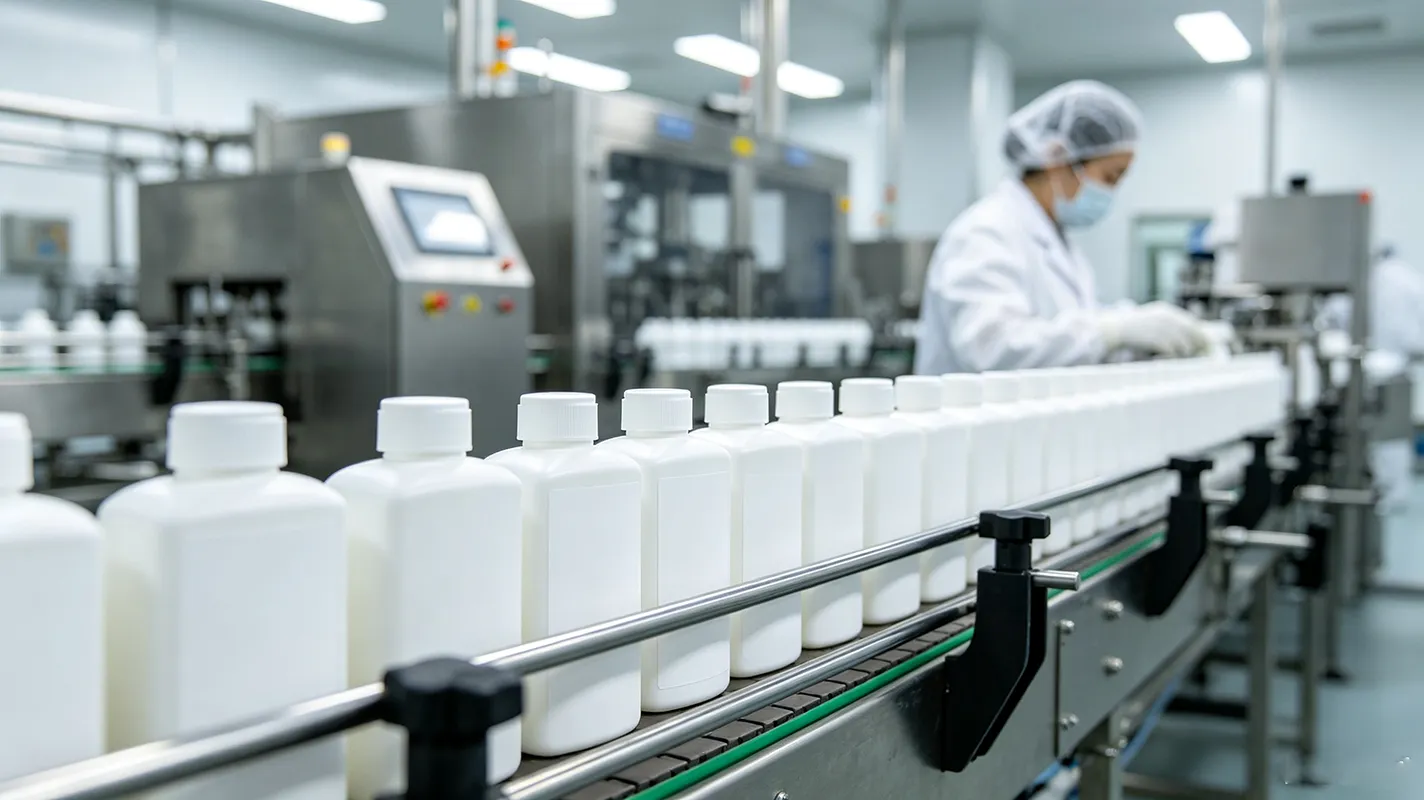
| Weeks | Product track | Packaging track | Compliance track | Your job |
|---|---|---|---|---|
| 1–2 | Brief finalised; formula matched or development starts | Container format agreed | Target markets and claim list agreed | Write the brief properly: customer, market, claims, price |
| 2–4 | First sample prepared (standard samples typically 7–15 working days) | Artwork brief to designer | Testing plan confirmed | Test the sample like a customer, not a friend |
| 4–7 | Sample refinements | Dielines and label text drafted | Stability and safety testing starts | Approve the formula you will live with |
| 6–10 | Formula locked | Custom printing ordered (often the longest single item) | Testing continues; documents drafted | Finalise packaging and claims in writing |
| 9–13 | Ready for production slot | Packaging arrives at factory | Registration prepared or submitted | Prepare import and distribution plans |
| 12–18 | Bulk production (standard 30–45 working days; custom 45–60) | Cartons and shippers | Certificates of analysis with the batch | Review batch documents before shipping |
| 16–22 | Finished goods ready | — | Market documents complete | Book freight; plan the first campaign |
Next Step
Related next steps: Review private label feminine care manufacturing.