
By Kangbai Nian OEM/ODM Team
This intimate care gel OEM buyer guide began with one email from an Australian brand owner: “What is the real difference between your gel and the standard pump-bottle products on the market?”
I asked her a question back: “Do you want to know the difference in formula, or do you want to know what you are actually buying?”
She paused, then said: “I don’t really know what I’m buying.”
I hear that answer often. A sample looks similar, smells similar, and feels acceptable, so the buyer assumes it is the right product. Then the bulk order arrives and the texture, applicator performance, packaging cost and registration documents turn out to be completely different from what the brand imagined.
This is not a general lesson about gel. It is a practical intimate care gel OEM buyer guide based on years of intimate care OEM projects, including the mistakes that only appear after sampling or after the product reaches the shelf.
What an Intimate Care Gel OEM Buyer Guide Should Help You Compare
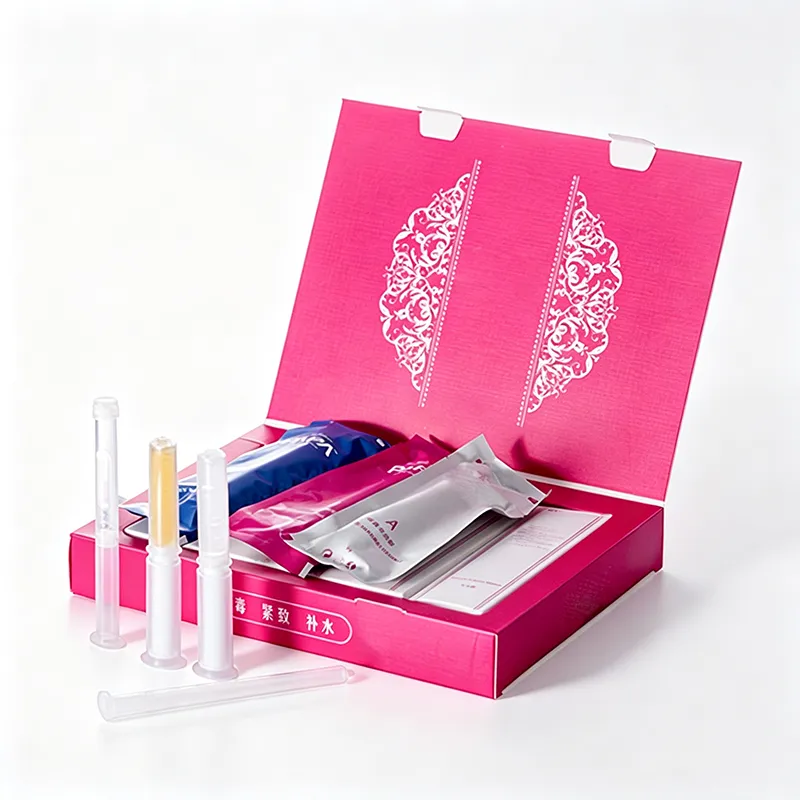
Not every buyer means the same thing by “intimate care gel.” Some need an external-use, water-based gel in a single-dose applicator. Some want a tube or pump format. Others have a specific pH, fragrance or botanical story in mind.
Before asking for a quotation, write five decisions on one page:
- External-use positioning and how the product is intended to be used
- Gel texture: light, medium or richer
- Packaging format and unit dose
- Target market and intended claims
- First order volume and planned launch date
Without those five decisions, the quotation is not complete. A single-dose applicator requires a certain flow and filling compatibility. A tube format may need a different viscosity and preservative system. A stricter market may reject the label claims before the product even reaches registration.
Formula Decisions That Change Cost and Positioning
A standard formula is faster to sample and produce because the base is already stable, documented and compatible with an approved packaging route. A custom formula gives you more differentiation, but adds development and testing time and raises the MOQ.
For an external intimate care gel, the discussion usually starts with pH, preservative system, fragrance, texture and botanical ingredients. Each choice carries a cost.
pH and External-Use Positioning: Do Not Simply Copy a Competitor’s Number
The pH target must match the product concept, intended use and claims. I have seen too many new brands bring a competitor’s pH number and ask us to match it exactly. The finished sample then feels different from what they expected.
Different gel viscosities and packaging systems cannot simply copy the same pH value. The final pH belongs to your finished formula, packaging and target market. The label, specification and test report must describe the same product.
What to Check When the Sample Arrives
Do not judge the sample only by smell or by applying it once on your hand.
Check whether it dispenses smoothly. Check whether product remains in the applicator. Check whether the texture changes after storage. Check whether the packaging feel supports the retail price you plan to charge.
Real project lesson: One buyer focused mainly on fragrance during sampling. When the bulk order reached pharmacy shelves in Australia, some applicators failed to dispense properly and returns followed. The review showed that the sample stage had not simulated the storage conditions or tested the applicator’s plunger force closely enough.
Ask the manufacturer which formula version the sample represents, its pH, the packaging format and the intended production route. A sample made through one filling method may behave differently when moved to another line.
Packaging: Single-Dose Applicators, Sachets, Blister Packs or Cartons
Packaging is usually the second-largest cost after formula and fill volume. The format should follow the sales channel, not only the packaging catalogue.
A pharmacy or travel-oriented product may benefit from discreet single-dose packaging. A premium range may justify a rigid carton and detailed insert. A distributor may care more about carton count, shelf stability and transport efficiency.
There is another hidden risk: the packaging supplier’s minimum order can dictate the formula route. Before approving artwork, confirm the filling method, component supplier, unit weight, carton structure and whether the selected package changes the MOQ.
A small packaging change can move a standard-formula project into a higher-cost custom production route.
MOQ, Sampling and Production Timeline
The numbers below are planning figures, not a final quotation.
| Item | Current direction | What to confirm |
|---|---|---|
| Standard formula | From 50,000 units | Packaging type, formula version and final carton |
| Exclusive custom formula | From 100,000 units | Development scope, testing and formula exclusivity |
| Sample lead time | 7–15 working days | Sample fee, shipping responsibility and revision rounds |
| Production lead time | 30–45 working days standard / 45–60 working days custom | Packaging components, artwork approval and order volume |
Samples are chargeable, and shipping is paid by the buyer. Whether the sample fee is credited against the first bulk order must be written in the quotation. A verbal promise is not enough.
Many buyers see 50,000 units and think the barrier is too high. In practice, the formula is not always the limiting factor. A special blister shape or custom applicator can carry a packaging MOQ that makes a small run impossible. A reliable factory should explain that before the deposit, not after.
To understand the order-quantity logic, read our MOQ guide for private label feminine care. To understand how a sample becomes a bulk batch, read our private label sampling process.
Claims and Compliance Before You Print Labels
Label wording can change the regulatory route. A product positioned as a gentle external-use intimate care gel follows a different path from a product making drug-like claims. The safest sequence is to settle the intended use, claims and supporting documents before artwork approval.
For official context on how another major market frames cosmetic product rules, see the European Commission cosmetics page.
Keep intimate care claims factual, external-use focused and supportable. Avoid wording that suggests medical claims, internal use or an unverified antimicrobial effect.
Real project lesson: A buyer in the Middle East insisted on label claims that went beyond external cosmetic care. We declined to print them. The buyer moved the project to another factory. The product later reached Dubai, where its Montaji registration was rejected. The brand returned to us, changed the claims and repeated part of the safety assessment. Almost four months were lost.
Documents to Request from the Manufacturer
- Finished-product specification and formula version
- INCI ingredient list
- Certificate of Analysis for the relevant batch
- Stability and microbiological test scope, when applicable
- Packaging specification and component information
- Manufacturing licence and relevant GMP or ISO documentation
- Label and claim-review support for the target market
For background on why unverified antimicrobial claims are treated cautiously, see the WHO antimicrobial resistance fact sheet.
Check the certificate holder, scope, product category and validity. A document matters only when it can be matched to your product. Our certifications page explains the document set used for buyer review.
How to Compare Intimate Care Gel Suppliers
Do not compare suppliers on unit price alone. The lowest unit price is often the most expensive quote.
Ask what the quotation actually includes:
- Is the formula standard, modified or fully exclusive?
- Does the quote include the applicator, carton and insert?
- Will sample and bulk production use the same formula and packaging?
- Who reviews the label and claims before printing?
- Which documents are included, and which are charged separately?
- What happens if the first bulk batch deviates from the approved sample?
A reliable factory will not show only one total price. It will break down formula, packaging, testing and logistics. A reliable factory is not afraid of a transparent breakdown.
If the answers start changing after the deposit, the original quotation was incomplete. A good manufacturer separates confirmed items, optional items and items that still require testing.
Next Step: Build a Gel Brief That Can Be Quoted
Send a short but complete brief. Do not stop at “Can you make an intimate care gel?”
- Product format and intended use
- Target market
- Preferred texture, pH direction and fragrance
- Packaging format and reference image
- Estimated first order volume
- Expected launch date
- Claims you want to explore
If you are comparing formats, review our private-label feminine care manufacturing page. If you know the gel format is right for your brand, start with the private label intimate care gel OEM product page, then send the project through Contact or review the production route through our OEM/ODM services.
Use this intimate care gel OEM buyer guide as a checklist before you request a quotation. Choosing an intimate care gel OEM is not buying a jar of product; it is choosing a long-term partner that can stay with you from sampling to shelf and help you avoid regulatory detours.
CTA: Send your product format, packaging direction, target volume and market. We will reply with the formula route, MOQ, sample plan and document checklist.